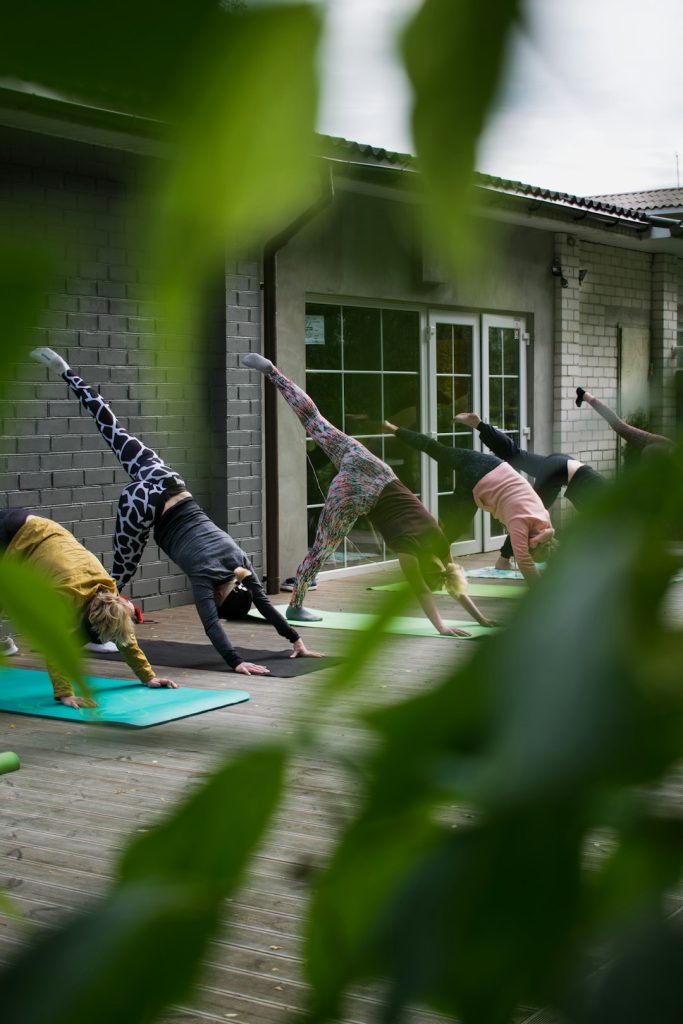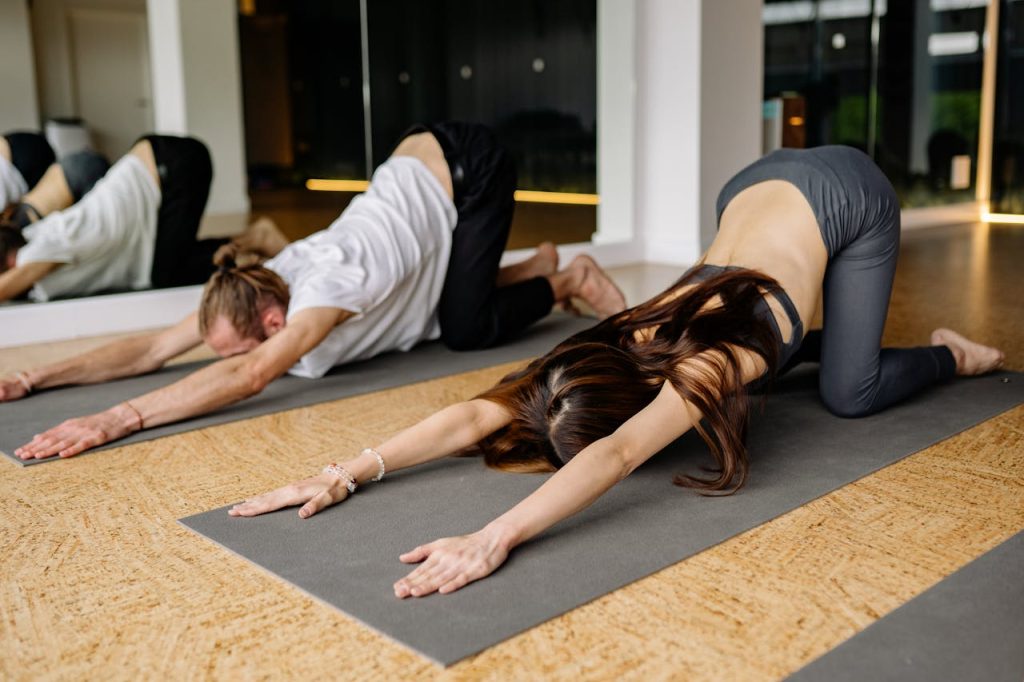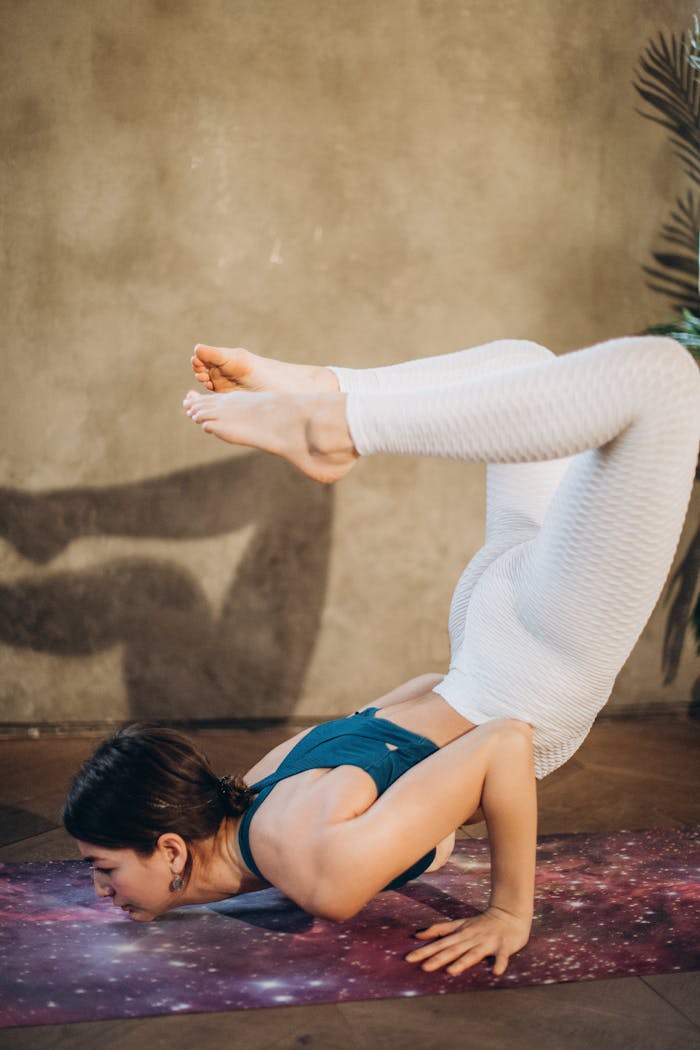
Modern life demands constant multitasking, quick decisions, and endless digital connectivity. Over time, this chronic hustle keeps your body in a state of high alert, leaving you feeling drained, reactive, and overwhelmed.
While many people view yoga as a way to tone muscles, its most profound magic happens within the mind. Yoga provides a physical toolkit to handle mental tension, acting as a bridge between a chaotic day and a calm mind.
Here is how a regular yoga practice actively rewires your response to stress.
1. It Shuts Off the “Fight-or-Flight” Response
When stress strikes, your sympathetic nervous system triggers a racing heart and shallow breathing. Yoga completely reverses this state. Through deep, controlled breathing (pranayama), you stimulate the vagus nerve, which activates your parasympathetic nervous system. This tells your brain that you are safe, instantly lowering your heart rate and reducing anxiety.
2. It Teaches You to Breathe Through Discomfort
During a yoga session, you will inevitably encounter challenging, uncomfortable poses that require endurance. Instead of giving up or tensing your jaw, your instructor will guide you to breathe deeply through the tension. This practice creates a vital mental habit: you learn to stay calm and centered during physical discomfort, a skill that translates directly to handling difficult situations off the mat.
3. It Halts Mind Racing and Overthinking
Anxiety lives in the past (regret) or the future (worry). Yoga pulls you firmly into the only moment that actually matters: the present. By forcing your mind to focus entirely on physical alignment and the rhythm of your breath, yoga breaks the cycle of repetitive, stressful thoughts. It acts as a mental reset button, leaving you with a sense of spaciousness and clarity.
4. It Releases Physically Stored Tension
Stress is not just an emotion; it lives physically in your body. People naturally clench their jaws, shrug their shoulders, and tighten their hips when they are worried. Yoga poses specifically target these emotional storage zones. Deep stretches release tight connective tissues, melting away the physical burdens of a long week and restoring a feeling of lightness.
Start Cultivating Your Calm
You do not need a quiet mind to start practicing yoga; you practice yoga to find a quiet mind. By giving yourself just a few minutes on the mat each day, you build a mental sanctuary that stays with you long after the practice ends.
Ready to trade stress for inner peace? Look through our [contact] to find a grounding session that fits your day, or join our community newsletter below for weekly mindfulness tips delivered straight to your inbox!